'As a sweet-toothed botrytized-wine lover, it gives me immense pleasure to report that 2025 is fecund for great Sauternes... The purity of botrytised fruit illuminates the most exceptional wines, not least Suduiraut, Lafaurie-Peyraguey, Doisy-Daëne, Coutet and Guiraud.' — Neal Martin, vinous.com
It is one of the exquisite pleasures of the wine world, luscious and very sweet, but not cloying. In a good Sauternes, acidity should be as concentrated as sugar. It's a compelling combination, and when we taste en primeur, we find these difficult to spit out. And it's all down to a fungus. Noble rot looks horrible when it spreads through a vineyard, but the effects are magical. It draws out water from the grapes without splitting their skins, concentrating sugar and acidity.
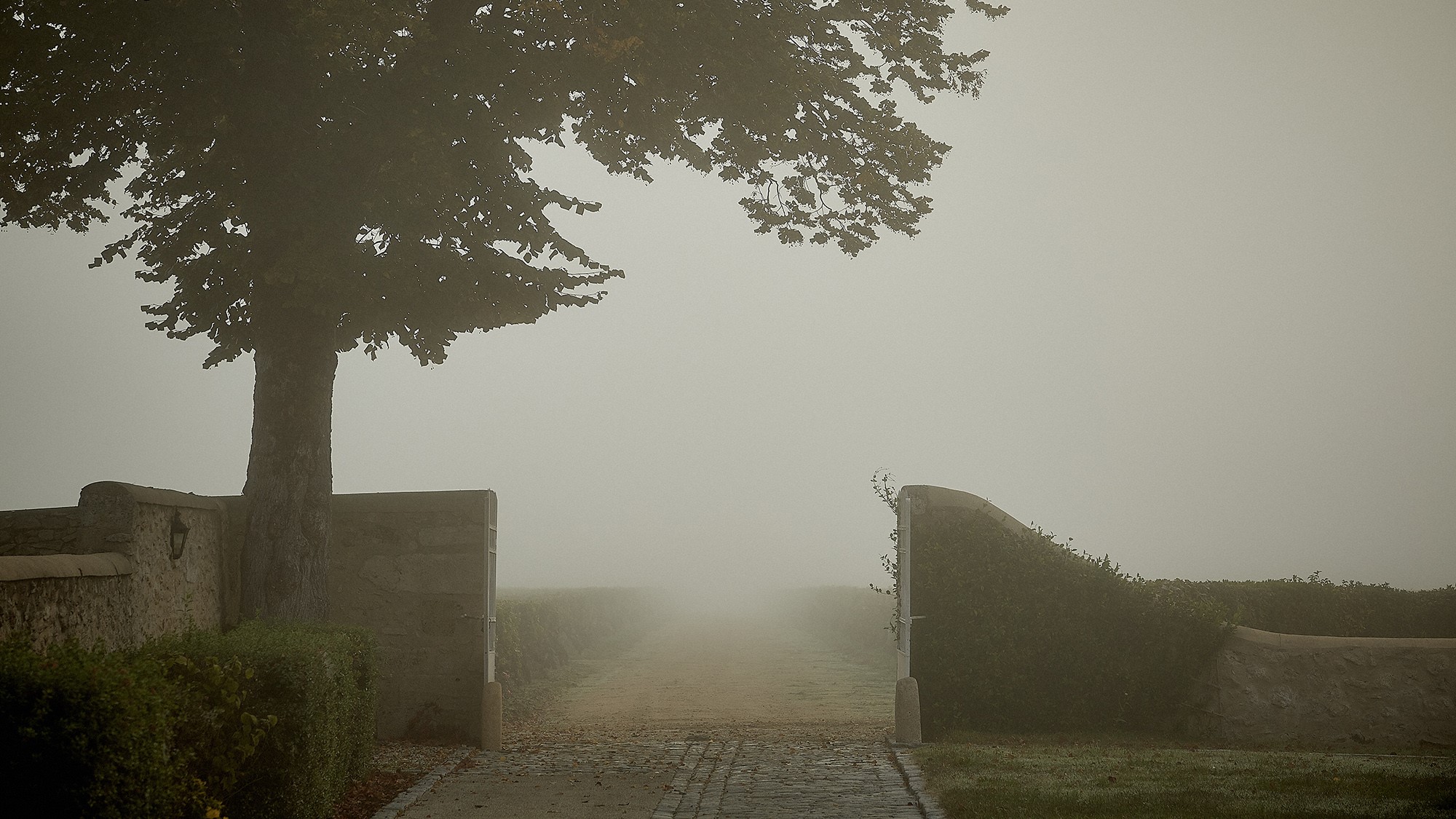
It also demands particular vineyard conditions to spread: humid, foggy mornings followed by dry, sunny afternoons. The morning fogs come about naturally enough in Sauternes, when the cool Ciron river flows into the warm, tidal Garonne. If the sunny afternoons don't follow, you end up with malevolent grey rot which splits and spoils the grapes. Being a Sauternes producer is no easy thing.
But in 2025, nature played along. Botrytis, the fungus that causes noble rot, swept through the vineyards of Sauternes and Barsac quickly and comprehensively. That led to a harvest of beautiful, sweet fruit and, in turn, a set of sweet wines that Uncorked found compelling tasting. Doisy-Vedrines is exuberantly floral, Doisy-Daëne is spiced peaches. Coutet is all marmalade on rye bread, La Tour Blanche has a beautiful, focussed energy. Suduiraut is, in my notes, 'a really refined lemon tart'. Guiraud has a sense of savoury completeness with umami secondaries set against the sweetness. Lafaurie-Peyraguey is 100% Sémillon and that shows in the beeswax-and-honey flavours. /NT